Personal Journeys and Motivations
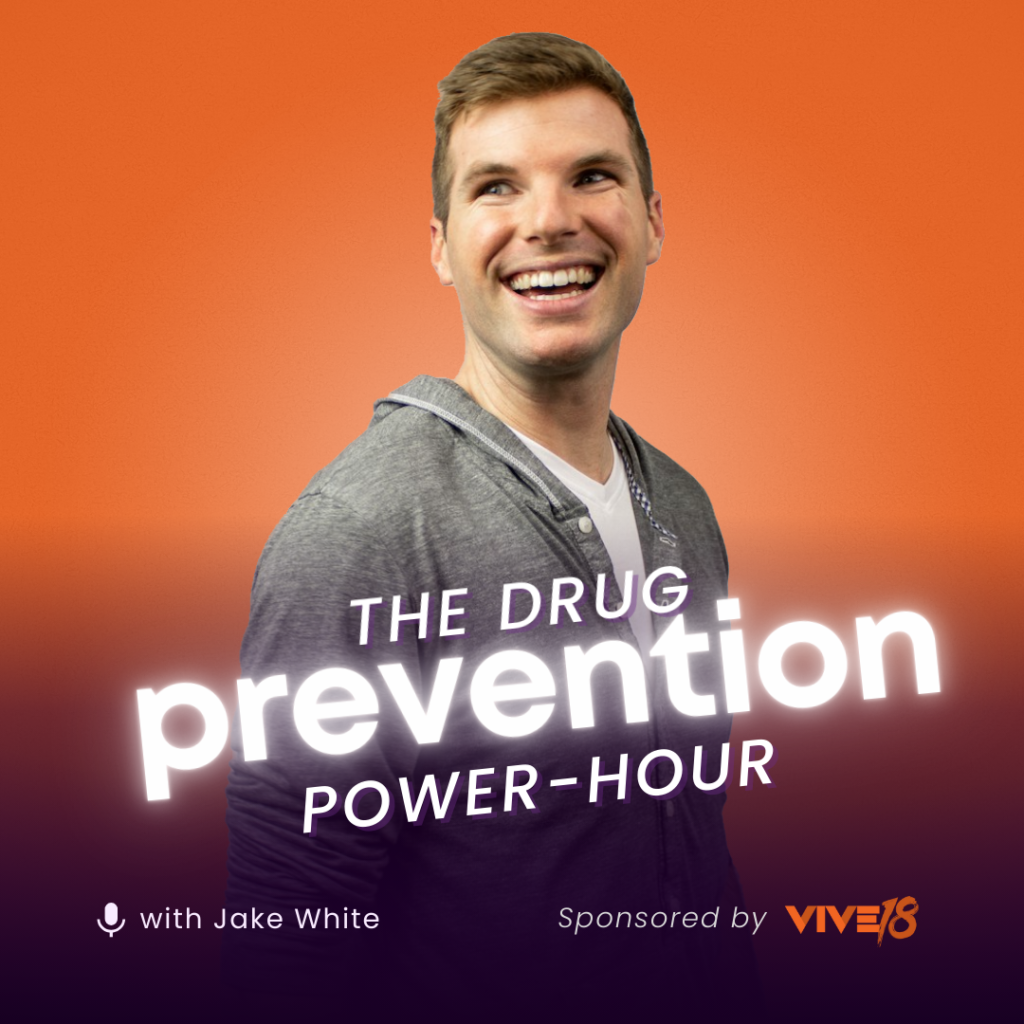
Hello and welcome back to another episode of the Drug Prevention Power Hour. I’m your host, Jake White, and today it is a student takeover. Y’all don’t get Reagan though, I’m stealing my job back because we got some new friends out of New Hampshire. And check this out. We’ve got Connor Wiley. He’s the advisor and he also works for their kind of sponsor.
He’s a prevention programmer for the Dover Police Department and works with Dover Youth to Youth a lot. We also have Mike Ranty, who’s a senior member of the club, and we have Brayden, who’s a first-year member of the club as a high school freshman. So, y’all, welcome to the Drug Prevention Power Hour.
All right, thank you. I just wanna kind of reiterate, just kind of things up. So, no, no. So our group accepts students all the way from sixth grade. Yeah. I’ve been involved since like halfway through fifth grade because I did a essay of sort and they asked me to come do a presentation for kindergartners and I accepted that and did I say your last name wrong? dang. So, Braden, have you been involved for more than one year?
That’s what really got me into this program as a incoming sixth grader. And that’s like how I really fell in love with this program. So, yeah.
Wow. That’s cool. So you’re in it 100%. You’ve been doing this for a while. You’re not a first year. That is a good clarification. And then Mike, give us your intro. How did you get exposed to Dover Youth to Youth and why you decided to join?
So the way I got exposed to Dover U2 Youth was, I remember it so vividly too, I was in my fifth grade class and because we start recruiting for Dover U2 Youth students in sixth grade, in fifth grade we have our DARE program. And then like at the end of the DARE program we have like this whole graduation, a DARE graduation thing and they do like a plugin of joining U2 Youth.
And I remember for the DARE program that they would bring in students at times. And like, whether it could be like just holding up some visuals for whoever was teaching it or actually had a part in the lesson that they had on that day. I remember seeing those students up there and I was just, like, I just thought to myself, like, I want to do that. Like, I want to be up there. I want to be comfortable in front of a group of students or just a group of people whether it be students, friends, adults, or family or whatever it be. But I want to be comfortable to talk in front of a group of people, just kind of like that whole public speaking side of things. so, I kind of had the same experience as Brayden, kind of like halfway through my fifth grade year. I was lucky enough to join a little bit earlier than a lot of the students that joined at the start of their sixth grade year.
It was, I will be honest, it was a bit rough. But I remember the staff just being so friendly, so welcoming. And so they just, it just made me feel like I want to stick with this group. And over the course of the years that I’ve been here, I’ve really expanded in that public speaking kind of area of things. throughout those years, I’ve continued to fall more and more in love with prevention.
That’s cool. And I can speak to that meeting you at NPN and you led a session with your colleagues in the club and it was really, really awesome. And you had mentioned that the staff was so friendly. So why don’t we meet Connor, tell us about you, Connor, what your role is in the organization and maybe your why behind all of this.
Yes. Hi, my name is Connor Wiley. Like you said, I’m a prevention programmer for Dover Police Department. And my primary assignment is being the coordinator for Dover Youth to Youth. So one of the coordinators, I should say. And I’ve been here since February 2022. So I’m coming up on four years on the job, which has been great. And yeah, I’m an adult advisor to these guys. I help make sure they get where they need to be and get fed.
But also I’m kind of a coach as well. I’m kind of watching to develop these guys their knowledge and skills to make sure they’re at a really high level so that when they go out to take action they can really be successful and And my why well, I was a member of Dover Youth Youth when I was a kid. I I sat in those chairs and and just like these guys I started in sixth grade and stayed involved all the way through my senior year of high school. And then when a job opened up to be an advisor once I was done college, it was an instant yes. I just really liked being, I really liked advising the younger students when I was an older student and really felt that empowerment that I felt empowered from being in the program. And I wanted to make sure that other kids could have the same experience that I did. So yeah, that’s how I came to be here.
Wow, that’s inspiring. Dang, we got so many people who started in like fifth, sixth grade in prevention. That’s the coolest thing ever. So Michael and Braden, can you tell me a little bit about the projects that you do in the club and kind of maybe if you have a favorite one or something, like what does Dover Youth to Youth actually do in the community? Let’s talk a little bit about that.
Community Projects and Initiatives
Yeah, so we do a lot of different projects on a wide spectrum of things. And it’s kind of like separated into four different categories. And so we have a lot of presentations, a lot of community awareness, a lot of media, and some work in the legislative field. And so some of the projects we do, a huge one we have is having a campaign going around.
And for this year, we kind of already kicked it off earlier this year, but it was our We Know campaign, which is all about the connection between alcohol and different kinds of cancers. And so those are some like, that’s like kind of a community awareness project we do. We also have the Zombie Project, which is actually coming up pretty soon in order to promote Drug Take Back Day. So we can raise awareness in the community about drug take back day so that unused medicine can be safely disposed of.
Okay, what’s the zombie correlation?
So basically, takes, like, drug take back day takes place in this coming month, October. And in that month, Halloween is like the big holiday. And so the zombie project is like kind of how we’re able to take that holiday and use it as a way to kind of get more attention from the community.
And so basically we have like a ton of students in our program. They come in, they get all dressed up and they get face paint and makeup to look like all different kinds of zombies, know, like whether it be like your typical zombie or like a zombie jockey, like a high school jockey or whatever. And it’s just like, it was, it’s just, I don’t know, just like seeing the process. It’s so cool kind of like seeing everybody there, but yeah.
Everybody gets dressed up as zombies and then we go out in front of our city hall and cause a whole ruckus about promoting drug take back day.
That’s cool. Dang, I love that. You’re taking something really fun and relevant like Halloween zombies and it’s probably such a blast to get all the face paint on and everything like that to dress up and then you’re doing it for a good cause. So dang, I love that. Brayden, what’s one of your favorite things that you like to do at the club or a project that you’ve really enjoyed?
So one of my favorite things with the club is for every summer when we’re doing our summer program, it’s a week long in like July where it’s like we have your incoming sixth graders come down to like, like see what Youth Youth is all about. And basically what we do is we get ready for midweek. We have this big campaign where we go to our like downtown big open area where we pretty much just yell, cause a ruckus and like try to get our message across over all of the of like our busy street downtown. So that one’s definitely really fun because like I think the first year I did the summer program as a student, I think it was Lab Rat, wasn’t it Connor? Yes. So Lab Rat, was like all about how the vape industry is like putting out all of these like new candy flavors like, let me see, oh they don’t have them up anymore. There’s like blue raspberry and bubblegum blast and stuff like that. It’s just like making it sound sweet and the whole message is, vape, or hey big vape, I am not your lab rat. And it was just like, so like inspiring. Cause when my grandfather was really young, he started smoking at my age of 14. So.
I decided to join so I could hopefully prevent other kids my age from getting addicted to nicotine or tobacco or any other substance use. So that’s why I really joined and enjoyed the Lab Rat campaign.
Wow, that’s cool. And I love that personal connection that you have with the cause is, yes, it’s something fun, it’s for leadership, and you get to do really cool things and be an impactful part of your community. But you also have this story of somebody close to you that this has affected. Wow, that’s really awesome. I’m very, very impressed just from talking for a couple of minutes as far as the projects y’all have mentioned, you teach in the classrooms, you do advocacy work out at the Capitol and you’re not afraid to cause a ruckus, as you say, I love that. And then you also mentioned that there’s this really cool summer program that’s an intentional way to bring in new students. So just for context sake, how big is your program? Like how many students do you think are involved in in Dover Youth to Youth.
Challenges in Leading Youth Initiatives
I think Brady can speak to that. Yeah. So when I started in sixth grade, there were about 20 kids on the Thursday after school team. And then I think over the years, I feel like as kids decided to really find out who they really were, we had more people joining from incoming years of sixth grade. But some people also left to go find themselves.
So it’s like, think right now, I think we have a total of maybe a little close to 100 or over 100. Wouldn’t that be right, Connor? A little closer?
Um, not quite. Man, if we had 100, man, I don’t know what I’d be doing. I’d have to, I’d be working 24 seven. Um, you’re on the right track though. I mean, uh, COVID hit us hard. So, uh, before COVID we would have been between 60 or 70 kids in the program. So not far off. Um, COVID really, um, uh, made it hard for kids to stay in the program. So, um, we kind of had, had a recovery period of building back up to the numbers that we’ve had before. And so I would put our total right now between 40 and 50. So still very good. And they’re not all meeting on the same day. You heard Brayden talk about the Thursday after school team. So they have teams that meet on different days based on their age and experience level. And they’ll have different projects for each team so that everybody feels like we’re meeting them at their level.
Wow. Okay, that’s cool. There’s different levels of participation. So actually, I would love to learn more about that. Is the structure of the different types of students that are joining, are you all structured where there’s like a leadership team or is it the groups where, we’re available on Thursday, so we’re a part of that group? Yeah, how does the structure look like if someone’s learning about it for the first time?
Yeah, so, the way, so, right now that we’re, have the Monday night team meeting right now. and that’s kind of that Monday night meeting, the Monday night team is kind of all the, older kids, the high school or the, it’s like the high school group. And then, the Wednesday after the Thursday after school team is like brand new, members who just joined, you know, probably like our six to like sixth to seventh graders. And then our Wednesday team is kind of like our seventh and eighth graders team. I’m gonna be honest, I’m not really sure how the Wednesday after school is kind of is different than the Wednesday night. But I just know that like that’s kind of the range of how we like kind of split the different groups up.
The whole leadership thing, it’s not necessarily like a leadership team, but our staff kind of puts out opportunities if we’re able to make those other meetings to kind of help mentor those younger students. Because we’re older, we’ve been in this program longer, we’ve had that experience of mentorship. if we’re able to come to another meeting, so like say the Wednesday night meeting, we’re able to kind of share that mentorship to them.
Wow, that’s really cool. Thanks. So you’re benefiting from all different types of opportunities. No matter which group you’re in, if you’ve been in the program longer, you can now give back to that almost like the person you once were. Say like, I remember when I was in sixth or, if I was on the Wednesday night, that’s, that’s really
Yeah. Yeah. It’s like this whole turnaround point. It’s like, I don’t know. For me, it’s like nostalgic. You’re looking back and you’re like, man, I used to be there. I used to be there.
That’s so funny. And maybe this, if you all have a current pulse on it, otherwise Connor might not have an answer on like, what are the different things you do? If I imagine the progression from sixth grade, you’re brand new. Maybe there’s a lot of education or something or I don’t know what the track is from going from sixth grade and then to that seventh, eighth, and then to high school. Is there different content and pillars or are they doing kind of the same thing?
Yeah, the biggest change is going from that middle school group to the high school group. But kind of like the Thursday, like really like entry level, like they kind of go into this program and they get taught the skills to go out and present simple projects like Arthur Samantha Skunk. So they’re taught like how to they’re taught all those presentation skills, how to animate their voice and their body, just kind of getting them more comfortable in front of the group. And then moving into that Wednesday team meeting, they’re more involved in other projects. instead of just, maybe, for example, Thursday team, they go out and their main focus is kind of Samantha Skunk. And then the Wednesday team would be able to do Samantha Skunk, would do sticker shock around the community. They would even be able to record radio PSAs at radio spots. And we’re actually gonna do some recording tomorrow. And we also sent out the invitation to our Monday and Monday teams.
And so the biggest change is from those Wednesday, Thursday teams to the Monday team. The Monday night team is like coming up with new projects that we might be interested in, taking part in these big campaigns, these big rallies, doing really cool films for the GYA Festival. something that I really like about the Monday team is that we always come together and kind of like talk about some projects that we might want to do and stuff. And when we brainstorm those projects, we also have like the idea in mind, like thinking about how could we incorporate the other teams into those projects if they want to be part of them? And that’s something I really like because it further portrays the leadership of being an older kid in this program and kind of like the role model, you know?
Yeah, no, that’s incredible. I think of the programs that really flourish and being a speaker who goes around the country, I’ve seen the best participation is when we’re like, hey, we invite them, hey, bring your student club on stage to do the intro, to do plugs, bring content. at the end, we had a school where we presented and at the end, the students got time to share their story and their why.
You could just see the audience go from, an adult is saying this is a good idea. That’s cool. But did they really get me? And then when the student says it, it’s like, wow, this is cool. I could do this too. And it’s so, so magnetic to have your presence. So Mike, Brayden, I hope you all feel on top of the world doing this work because it’s not always like a, thank you so much kind of role, but you are literally changing the world for the students around you because they look up to you, that you give them permission to be drug free just by displaying that confidence that y’all had. And I want to ask you all a question about being in the club, are there any kind of challenges that you face when you’re leading this movement and doing this kind of work? Have there been any challenges or rough patches?
Um, yeah, for me, a lot of the rough patches or the challenges that we face as a group is kind of like, um, when we plan out a project, we kind of have to think about how, like, what would be most beneficial with the least amount of backlash and, and then I guess your, like, gets those gears, like grinding because you’re like, cause like, I remember so many times, like I would pitch an idea.
And I’ll be like, hey, this would be a good idea. And then Connor would like say like, but what’s the, what’s, what would they, what would the community take out of that? And I’m like, you know what? You’re so right. And then we’re going back to the drawing board and stuff like that. I don’t know if Brandon, you had any experiences like that? I feel like, so one of our other little projects we do is sticker shock. And like, I have never encountered this, but I’ve heard like from Connor that the people stocking the shelves with cases of beer have come up to us and be like, hey, do you know how to re-put those back in order of how they were stocked in, from oldest in the front to newest in the back? So it’s how they sell their product-wise. And it’s just like, when that happens, it’s never happened when I’m in, when I participate in Sticker Shock, but I’ve heard the stories from.
Connor and our other two adult advisors here about how that can happen and how we try to handle that situation as best as we can. And I mean, nobody’s ever gotten to a fist fight over it, so. Yeah.
Connor’s been in a fist fighter too. No, I don’t know if he’s born though.
I’m glad that it has not come to that. my gosh. Okay, those are real challenges. So when you’re working with a partner, like somebody who says, yes, you can come put the stickers on and stuff, it’s like, all right, but you have to now make it easy for them because they’re saying yes to partnering with you and you don’t want to mess up their system or their business because it might add friction to that relationship. So you’re like, shoot, I had to learn how to build the product from oldest to newest and put it in or whatever that might be. So I get that. And then, Mike, with your example of ideas, we have these really fun or cool ideas and we always have to make sure that it’s on mission. And it’s like, all right, well, maybe that wasn’t the right one, but how can we tweak it? Or how can we add that element of prevention? And if it’s just too much, you’re like, well now, like I’m invested in this idea because I thought of it. It never feels good to have someone be like, right, well, is it on mission? And you might have to go back to the drawing board.
I think the thing is, I really enjoy our community here because when situations like those happen and they happen quite often, we don’t say like, well, here’s some flaws about that project. And so it’s not perfectly fine-tuned. Let’s just dismiss it. We still kind of think about how we can tweak that project so it can be on mission. And so everybody kind of feels heard and everybody gets their ideas out, but nobody feels like their idea kind of just gets left behind.
Yeah, that’s so important. Man, because y’all are leaders. So like that atmosphere when someone brings up an idea, whether it’s you or another teammate to be like, that’s a great idea. I’m to write it down, right? We’re all going to discuss what we want and then try to make it work. I like to say it’s kind of like any invitation in life. When someone invites me to do something really, really cool, I could say yes and I probably have a good reason to say yes. I like them. It might be fun, but I can also think of 25 reasons why I shouldn’t do it. No matter what the thing is, it’s so easy to think of the negative or the why not. But the leaders in this world who take action are the ones who think, well, why can’t I do it? Like I’m going to find the reason why I can. So that’s what y’all are doing. It shows because you’re doing so many cool projects is that didn’t happen overnight. That came from your brainstorms, your ideas, your enthusiasm, and most importantly, your action. I want to ask you both, are some skills you think you’re learning in this group that are going to help you later in life?
Skills for Life: Public Speaking and Leadership
Yeah. Yes man, the list is like endless. I’m going to be honest. But I think for me, a huge skill is just the entire concept of public speaking. Whether that be on a podcast right now through a screen or whether it be on a podium in front of a crowd of people or even just like in a tiny little classroom filled with like little kindergartners. think regardless of the situation, public speaking will always be one of the most important skills that I’ve ever taken out of this program, coming, that’s coming from someone who’s really had to work on stage fright for a huge part of his childhood years. Like I remember back in elementary school, we would always have this project where the kids would have to kind of write a story about their weekend and then, towards the end of the week, like the story would have a deadline to be done by say like Wednesday and then Thursday, Friday, each student would go one by one and reading that story to the class. And I remember like being that kid that would get up there and like just be completely silent because I was just so frozen in like stage fright and just that idea of like, oh, my peers are going to judge me and stuff like that.
And so this program really brought me out of that shell to kind of be comfortable and even so comfortable being in front of a group that I’m able to be uncomfortable with them. One of our presentation skills that we learned is putting spaces and pauses in our speech. whenever we’re talking to a group of people so they can kind of digest what we’re what we’re saying. And one of those pauses is called the dramatic pause, where you just have to like put a pause so that that’s so long, it just feels uncomfortable to the audience. And like, I remember, I remember learning that skill and me actually doing that, the spaces and pauses skill. And like, I would just kind of I would, like crumple inside because I was so uncomfortable. But you’re like, these five seconds have lasted five minutes. This is terrible.
Yeah, like, yeah, it is, I remember doing it, like, I remember, I think one of the older students who was mentoring me told me to like try it and I tried it and it felt like I took an eternity and they’re like, you can make that pause a little longer and I’m like, are you serious? And I was like, oh my gosh. So yeah, public speaking, yeah, public speaking hands on by far the most important skill I’ve taken away from this that’s good. Braden, what about you?
Yeah, so like Mike said, with public speaking, that is definitely something that I will take away from this program into like the rest of my life. But another thing is like having that leadership to like step forward and take action in a cause that you believe can help the community for better. It’s like it was just like, that’s how I like I feel like that.
That’s something I will be able to take away from this to use for the rest of my life after I graduate. And even if after I graduate, I come back to like help out with anything, anywhere for something. And it’s just like stepping up to do something you feel is right. So you can hopefully find other people out there that are like thinking about the same things as you and wants to make a change. It’s like, that’s just.
It’s what I think is going be. And I think, I think that’s like a big part of that is building up that confidence and having the courage to do so. Because a lot of, I’ve been in a lot of situations where like, like I would begin doing something. Like say like I would, like I would, I would begin taking action on a project in school.
Or I would I would want to open up a new club in school. But like a lot of people would like say that’s lame or like like they don’t try to bring you down But it’s just having like having that courage to so that kind of like discourages discourages you to become that leader for something that you really want to do and so I think it’s having that leadership in this program like really builds up that courage and to kind of go out and actually take action regardless of what people say. Because you know what you’re doing is right. And so nobody can deter you from that as long as you know that everybody has to start somewhere. I’m sure some of the biggest names that we know in history, they probably started off as a really small name and everyone was thinking it’s really weird until it become like nationwide and then all of a sudden like your name is in the history books.
Yep, dude, that is so true. I love the ending as we close on our time. It’s like, man, we got an inspirational monologue from both of y’all. Like, hey, you could do it. You don’t need to hide who you are. You’re an incredible leader if you have the courage to step into that mission that you’re passionate about. And the cool thing, I’ve seen this because when I was in college, I thought I was alone for making a drug-free choice. Turns out there was thousands of students waiting for me to stand up and be like, hey, I’m going to throw a sober party. I’m going to throw a drug-free events. And then all of a sudden, wait, now it’s starting a national movement. Like you’re practicing the same skills it took, which isn’t, it isn’t rocket science, right? It’s like, no, it’s just, it’s courage. It’s staying on mission.
So y’all are doing it. You’re changing the world right now. And you’re still in school. Like I’m so excited to follow you rock stars throughout your college or after post high school, whatever y’all decide to do, like to see what happens as I follow your journey because you’re already doing incredible, incredible work. So the last question I have for you, and then I want you to leave us with some ways to get in touch with Youth2Youth and benefit from the incredible toolkit y’all have and all that good stuff. But last one, I would love for you to do a superstar shout out think of someone that you would like to thank for being there for you or being a positive influence in your life. Who is that person and what’s one simple thing you’ve learned from them?
Inspirational Influences and Community Impact
And you actually, you what? You don’t even have to, if you can’t think of right now, the stuff they taught you, just do, you can just shout out that person and who they are for you.
So I think during my time here, I’ve definitely been like our adult staff, like Connor, our person who founded this, Dana Mitchell, and Vicky, who is like our direct tie to the Dover Police Department, Kelsey, and all the backers of this program have really just been here for like the program and the individual people of the program to like be like, you are here, we hear you, and you have this down to the point where you can go out to a huge crowd and get your message across. it’s like, that’s how I feel. It’s just the entire backers and supporters of Youth to Youth, I want to give them a shout out. So. For me, one person that really influenced and inspired me in this program was actually the former, attendee of the program and still, I mean, I think still helps out from time to time, but her name is Elsa Rogers and she was a wonderful presenter. Whenever she like, whenever she got on stage, she had just like a specific way with words and she would, the way she would kind of turn ideas from a paper into such as like an encapsulating and like captivating speech.
It was just so inspiring and I was just thinking like, I wanna reach that level of confidence, of leadership, of skill. And like there’s been a of other people that helped me as Brayden said, like Connor and all the adult staff and all my other peers. And they’ve provided me with so many checkpoints along the way to get there. But like for me, she’s always been what I envisioned to be the face of U2 Youth. She was very kind, very welcoming, no matter who you were, what background you came from or anything. And she would always make being on stage or up in front of a group look like she was having the most fun time ever. And I was just so amazed and I wanted to be. I wanted to embody that as well. So definitely her, yeah.
Dang, that’s cool because now you two are those people. They were investing in you and you get to be those people and you’re going to invest in someone else who looks at you like that. And they’re like, dang, the other reason why I joined or they were here for this moment for me. So this has been great. Maybe Connor, what is the best way for people to get in touch with Youth2Youth? And you also like you’ll have this really thorough toolkit. We can copy all the stuff you do. So maybe leave us with that and then we’ll say goodbye.
Sure, yeah. We love helping other coalitions to do the kind of work that we do and streamline that process. We learned a lot of lessons by trial and error, and not everybody has to do that now. So we created a toolkit. We became an evidence-based program in New Hampshire, and that allowed us to create a toolkit that’s replicable that other coalitions can use to follow the same model we did and develop their students’ knowledge and skills and then give them ideas to go out and take action. And we were constantly shipping those out and staying in contact with coalitions who have that toolkit and helping them to implement it. So the best way to reach out and get more information would be to call me. My number would be 603-516-3274.
I will be on the other end of that line and you can ask me all the questions you want about what the toolkit is and how much and how to get it. You can also visit our website which is www.dovery2y.org and you’ll find a lot of information there and you’ll be able to get on our email list and access all the resources that we have including the toolkit and just sort of stay up to date with what these guys are doing.
But yeah, if you’re interested in the toolkit and want to learn more and just learn more about the program in general, I’m your first stop, but also always willing to get the kids on the line and have you talk to them too.
Yeah, you might beat us, you know? Yeah. If they’re lucky, if they’re lucky.
Mike, Braden, do you all have any social handles you all use that people can follow you with the club?
Connecting with Youth2Youth and Resources
Um, we have an Instagram, we have a, I’m on Instagram. Um, we have, we actually have a Dover why do I Instagram. Um, I wouldn’t be honest. I don’t really like know the exact handle.
Yeah, he already said it. It’s at Dover. Why do I know it could have been like over youth to youth instead of over why do I but you got it.
Yeah, Mike, you better be following them. All right. Well, listen, y’all have been I’m falling, I’m falling, I’m falling, don’t worry. I’m just so invested in these projects, I’m not on the socials, you know?
Hey, that’s healthy. That is healthy, my man. I’m the same way. I’m like, I can’t be spending my time on social, but there’s somebody on the team who likes doing it and we’ll update it. So that’s good. Well, hey, I want to leave you all just hopefully, hopefully you realize the incredible work you’re doing. And I just want to say, I’m super proud of you. I think you’re doing incredible life-saving work and I want to thank you for being on our show and for everybody who’s listening you are a part of this movement. If you need help, reach out to Dover Youth to Youth, reach out to VIVE 18. We are all doing this work together. And so if there’s any way that we can support each other, we will do it. This is life-changing stuff. Maybe you have a story of somebody that this really impacted and you want to make a difference. And although we can’t go back and change the past, we can definitely take action now to change the future. So please share this episode with somebody who needs to hear it and we’ll see you next Monday for another episode of the Drug Prevention Power Hour.