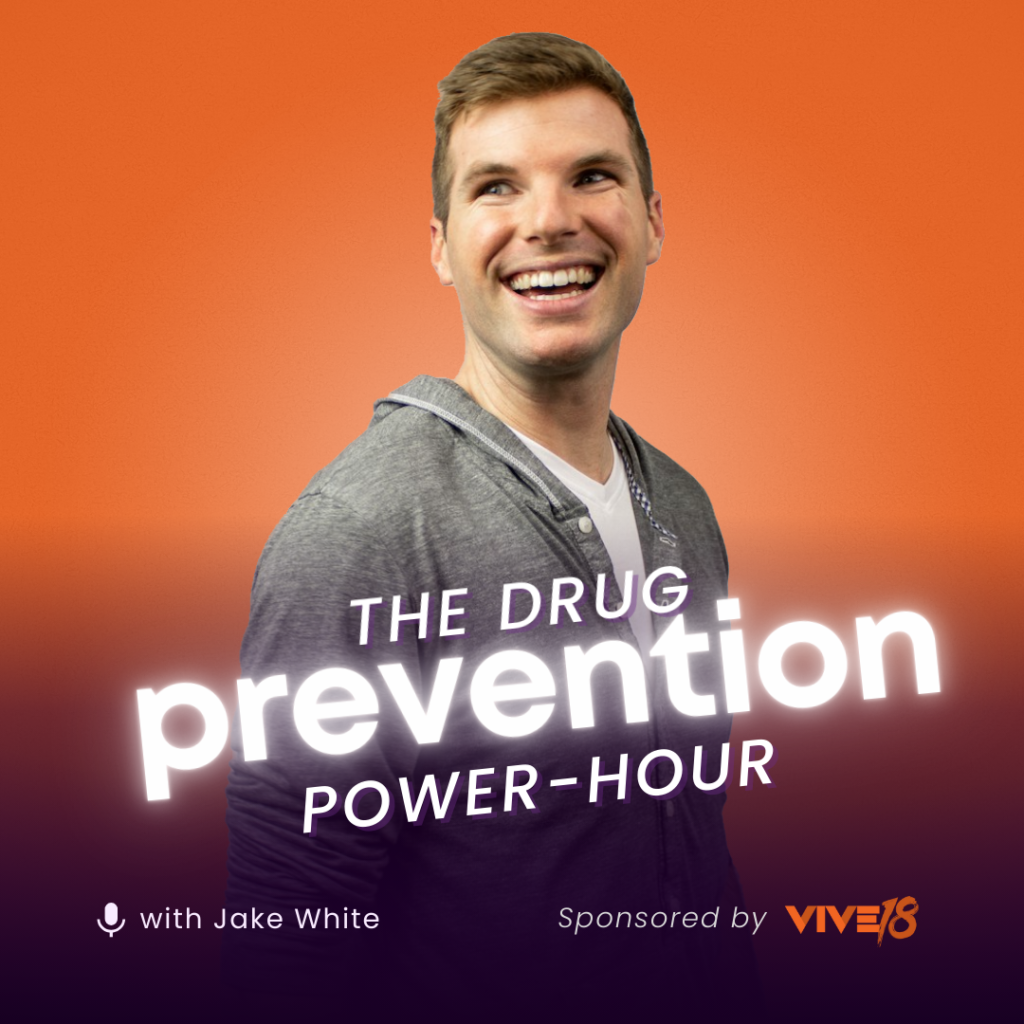
Nicole Augustine is a prevention specialist, author, speaker, and founder of Rise Consultants. In this episode, she joins host Jake White to talk about her path from public health and boots-on-the-ground prevention work into consulting and how she’s now building AI-powered tools to help prevention professionals find evidence-based programs and collect community data faster. She also shares the biggest mistakes people make when preparing for the Prevention Specialist certification exam.
Key Takeaways
- Confidence is often the biggest barrier to passing your certification exam, not lack of knowledge.
- Job experience alone won’t prepare you for the exam the role covers six domains, not just service delivery.
- AI tools are emerging to help prevention specialists identify evidence-based programs and build needs assessment surveys faster.
- Making prevention a more attractive, well-defined career path may do more for the field than adding stricter credentialing requirements.
- Real community comes from genuine connection, not just professional development.
Nicole’s Journey into Prevention
Jake: Hello and welcome back to another episode of the Drug Prevention Power Hour. I’m your host, Jake White from Vive 18. And today we are hanging out with a new friend, Nicole Augustine. Now check this out. She is a prevention specialist, author, speaker, and founder of Rise Consultants. She wrote the Prevention Specialist Exam Study Guide to help people not only pass their certification exam, but understand prevention as a science, a profession and a calling. Her work helps bridge the gap between people who deeply want to do good in their communities and the evidence-based strategies that create lasting change. She brings a powerful blend of public health expertise, storytelling and practical wisdom to conversations about substance use prevention, professional certification and the future of the prevention workforce. So we got a heavy hitter with us. Nicole, thanks for being on the show.
Nicole: Thank you, I’m so excited to be here today.
Jake: I gotta tell you Nicole, I feel like we’re best buds. We just met on one call, but I just feel it. I don’t know if you’re asking for a friend, but you got one.
Nicole: I know. I agree. Listen, I always ask for more friends. You need more friends in the world, right?
Jake: Exactly. Especially when we’re doing good work, right? Well, please tell us, Nicole, how did you first get started into doing what you’re doing right now?
Nicole: Do you know I love this question? I’m always like, where do I begin for where you get started? Like once you start realizing that every step you do in life is leading towards something else, you know, it’s like, where do you really go back to? I would say most directly, I think prevention really started for me after I graduated from college. I got an opportunity to work in a college health center. I went to Cornell, go big red, if there’s any Cornell folks out there.
Nicole: And they have a special program after you graduate. I got an opportunity to work as a health promotion intern. And that’s where I learned motivational interviewing, harm reduction. I was doing a program called Basics, which is brief alcohol and screening in college students. And it was, I loved it actually. Having grown up in Oklahoma where we didn’t talk about anything, it was just amazing to me to learn so much. That I felt like, wow, I wish there’d been more conversations I even had in my own life around substances. It just was never talked about. But it gave me an appreciation for the work. The only problem, Jake, is I was poor. As a manager, I was making like twenty-five thousand a year was rough. Plus, I was babysitting like three jobs. So I was like, I gotta do something more. I started looking around the people around me and the people above me all had MPHs. So I was like, maybe I’ll go get my master’s in public health and that’d change my life, you know. So I went to grad school, did the couple years, still struggled to find a job.
Jake: That’s a whole other podcast episode. You’re like, I got my letters. Where’s the bump I was looking for?
Nicole: My gosh, I ran into a new problem. Now people wanted experience. So I was like, I need 10 years experience to qualify for the types of jobs I wanted. I was like, well, what I gotta get a job. So it was a whole just a gap, you know? And I found myself in North Carolina. I got my first job at a province agency. As a prevention specialist, it was great fun. I was doing parenting programs, I was doing curriculums in schools, summer groups, all sorts of stuff, like boots on the ground prevention work, you know? And I loved it. And I did that for about three or four years and started transitioning into more of strategic planning work. Primarily because of my background in public health, you know, natural fit for me. But then I had a life shift. My grandmother raised me and she was experiencing dementia and couldn’t live by herself any longer. So I went to Oklahoma, drove her from Oklahoma to North Carolina to move her here to live with me and take care of her.
Transitioning to Consulting and Rise Consultants
Nicole: But it created this challenge with me being able to like be a caregiver and work a full-time traditional job, which at the time, prevention, this is pre-COVID. You were going to classes, you were going to community centers. There was no such thing as working from home prevention. So my employer at the time didn’t understand how to give flexibility for me to keep my job. But the opportunity let me start my consulting business. That’s what helped me start Rise. So it came out of a need and I shifted into consulting so I could have the freedom to take care of my grandmother and still generate income in my life. And I kind of never looked back, you know, because I started generating more money in that space than the traditional prevention jobs, which, you know, only helped my life even better. But it has always had me question our field, you know, and the lack of value we give it by what we pay the people who do the work. Again, probably another podcast episode, but it is a systemic challenge.
Jake: We can do a full 30 minute rant on that for sure. Nicole, I was talking to people on our cruise about this. I was like, we need to be good at asking for more money. I mean, not only from government or grants, but like, we need to be asking our neighbors. They want to invest in life-saving prevention. We haven’t invited them. We need to be asking our friends and our family members, like, to think that there’s nothing better we can do with our money than to create life-changing experiences for people. Like, that is what money’s for.
“We need to be asking our neighbors. They want to invest in life-saving prevention. We haven’t invited them.”
Nicole: They do. And we know that our science shows it can actually create outcomes. We have longitudinal studies that show it to be true, you know? So what better way to invest your money if you were going to invest your money?
Jake: See, it’s one of those things like we live in the era of reviews and testimonials. It’s like shouting this on the rooftops, you know? That’s why I’m always like, I try not to apologize for being so excited about prevention and what we’re doing, but I’m like, no, I’m not going to apologize. I’m going to be in your face. I’m going to ask. I’m going to tell like, we got to be pumped for this.
Nicole: I love it. We need that kind of energy. You know?
Jake: So tell me a little bit, like, give me your elevator pitch. Cause you went from this experience, you’re in public health, you were doing work boots on the ground prevention work. I would say even what we would call restorative maybe before people knew it was restorative. And then you launched rise consulting and it’s been some time and you’re doing great work. Can you give us, maybe some of your favorite things that you get to do at Rise Consulting and how you’re still in the prevention field.
Innovations in Prevention and Technology
Nicole: Gosh, my work has really changed, and I’m grateful for the new type of work I’m doing. The things I get excited about, I like to call them special projects. I think I use this term with you too, is this idea of special projects. Because I am in the consulting space or knowledge worker space, I do get invited to think differently. You know, the PTTC network, for those of you who may not know it, Prevention Technology Transfer Center, it’s a wonderful network that focuses on workforce development. And that’s a place that I’m passionate about. So as a result of me having a consulting company, I get to be contracted by organizations like the PTTC and some of their different centers to do cool stuff. I don’t know when this is gonna air, but I’ll drop a little secret. We got a couple of really cool projects coming out that I’m excited about.
Jake: You heard it here first!
Nicole: I don’t even know if I can talk about it, but we’re gonna talk about it because this is real, it’s gonna happen. I’ve been thinking about how we better use AI and technology in our work. And there are two spaces I’m looking at this. One, how do we leverage AI to help us find and identify evidence-based programs easier and in our hands and better? So I’m actually creating a tool using custom GPT technology to actually create, like in your hand, a way for someone to talk about or look at. Here’s my community problem, here’s my risk factor I want to focus on, here’s the setting I want to focus on, here’s the age group. And based on that criteria, it will then look for all the evidence-based strategies that go with that and give you a recommended list of what those are.
Nicole: And I’m like, this is a cool use of technology that no one’s quite done yet. So I’m really excited about it. It’s gonna be released in a couple months here. We’re almost done with it. And I just can imagine people having their phones in a meeting, like, well, we’re working here and there. Here’s some programs that are best fit, you know? Imagine being able to pull that quickly instead of like, well, let me look that up. I’m not sure what’s out there. Or people just keep using the same program that they’ve been using for decades. Not that there’s anything wrong with that, but you know, sometimes we need to look and make a change, right?
Jake: Right. I mean, if it’s working, that’s great. But we hear the gripe all the time is like, the students say it’s not relevant or the community says that’s outdated, or they don’t enjoy the program at all. So they don’t pay attention. So you’re like, it worked, but is it working?
Relevance and Innovation in Prevention Education
Nicole: Is it working? I love that, right? And that is another additional challenge is us staying up to date because there was a big push in prevention science in the 70s and 90s, and we haven’t seen another big push. A lot of our programs, especially our evidence based curriculums, are kind of dated timeline wise, like when they were produced, if you will. So I do think there is still this need for rejuvenation, innovation around what we call prevention education and the work there too. But I’m excited to at least help people more quickly identify what is out there. So that’s one project. The other project with a different PTTC is actually focused on another challenge, which is collecting data and primary data, people actually be able to design needs assessment surveys. So this other tool is using narrative GPT technology where someone can go in and talk to this particular GPT to say, Hey, here’s what I want to do an assessment of. I’m wanting to, you know, identify what key issues are happening in my community. Can you assist me in designing a community needs assessment survey?
Nicole: The system will help people do that and spit that out so they can have something to work with an evaluator with.
Data Collection Challenges and Solutions
Nicole: Because most of us are very reliant on either federal data sets or state and county data sets. And those have been being challenged. Some of them are getting pulled down, some of them take two, three years to let the release the data. And so we’ve been thinking about how do we help communities have a better pulse? My biggest challenge is you look at the survey data, they’re two, three years old. How do I know that’s even the issue right now? In my community. You’re getting data from two years ago about what youth said, but technically three, because they take the survey, then they analyze it, then they do the report. Now you’re getting it. So delay.
Jake: Right. And our field moves so fast. It’s like there, it probably went through eight or nine iterations of the drugs that were out there, the feelings, the language they use. It goes so fast.
Nicole: Exactly. So one of the problems was trying to figure out how do we make it easier because most folks, we realize most people come into this field out of passion, not from a place of science or education, you know? And because we don’t have standards around credentialing, anybody can do prevention. And what that means is sometimes we have good-hearted people doing initiatives, doing stuff that you know don’t they don’t really know. But it also means we’re not that great or knowledgeable about data and collecting data. So you’re like, how do I even write a needs assessment survey? How do we even figure out what’s happening in my community? And as a result, I think a lot of people just don’t do anything. So this tool is designed to help bridge that gap a bit, to say, at least we can collect a hundred surveys from our community just to get a pulse check, you know, on what’s going on. But you can’t just build questions. They need to be validated. They need to be of a certain reading level. Like, you know, that sort of thing. So this AI system is gonna help and assist with that, you know? And that’s the kind of stuff I get to do. Just made up, Jake. Like multiple of these projects, just made up. You know, I was like, I have an idea, you know?
Jake: That’s cool. Well, I mean, and it’s your problem solving because I can tell you for sure. Both of those things you just mentioned would be great tools in our tool belt at Vive 18.
Bridging the Gap in Community Needs Assessment
Jake: Cause I, here was the gap in the beginning, you’re doing something you’re passionate about. You learn and you get better, right? Whether it’s going to conferences, doing the books, learning the history, or if you’re doing the certification, like it’s got it all built in. So you’re doing this as a prevention specialist, but funding is one of your biggest issues. And the fact that you’re working 10 jobs rolled into one low paying job anyway. So you’re like always stressed about this. So I know the gap that we felt was how can I possibly understand the evaluation world because it’s filled with doctorates. So like, I can’t just go and get my doctorate at that. So that’s gap number one. It’s huge. I’m not even going to try to tackle it. So then you think, well, can I have somebody do it? And then you look at the price tags for hiring an evaluator and you say, how am I going to get an extra what? 10, 20, $30,000 and the runway to keep my staff doing the same program over this period of time it takes to evaluate. Um, so I mean, we’ve had to be really scrappy on how we do it. And luckily I think people see what we’re doing and they want to help.
Jake: We got to cross the chasm of cost by hiring people at a lower rate because they just believe in it. But what do you do if you’re starting out? I see your solution as the solution. There’s no longer a barrier. At least we can start here. That’s incredible. That’s so good.
Nicole: And I’m just excited to be able to think about solutions and to think about different stuff, you know? So I think the biggest gain for me in moving into the consultant space in this world professionally has been having that freedom, that flexibility to be creative, to be innovative in a way that I wasn’t previously or didn’t have the ability to be, you know.
Jake: That’s great.
The Role of Creativity in Prevention Work
Nicole: It’s been like super, super cool.
Jake: Nicole, I want to dive in a little more because we mentioned it in the intro, but you’re an author and our field of prevention, you literally wrote the book on preparing for your exam. So I want to pick your brains a little bit. What do you think are the most common mistakes people make when they’re going for the prevention certification?
Common Mistakes in Certification Preparation
Nicole: Gosh. Mistake number one, I would say, would be second guessing your own ability. And I’m surprised how much it comes up. Like I talk to people who’ve been doing this work for a long time. And they’re the first thing they speak is anxiety about the ability to pass the test. You know, no confidence in their lived experience, no confidence in their knowledge. It’s really incredible. So I think the biggest first mistake is people completely question their ability to actually do well and succeed on the test. And that’s just a reflection of me. I’m a huge believer in mindset as the, you know, gateway to everything else.
Nicole: So I think that’s mistake number one. Mistake number two actually is leaning only on your job experience to prepare. Because the biggest challenge with our field is most of us are hired to do a thing, to do a particular prevention strategy or a single component of the domain. But the job competencies has six domains. Service delivery and education is only one, you know? And so people sometimes think, I’ve been at the same time, they’re like, I’ve been doing this while I should be fine. It’s like, well, it’s there’s more to our work than just that. And unfortunately, our standard prevention specialist job, our the director jobs, the coalition coordinator jobs, all of them to be honest, don’t look at the full scope of skills and competencies needed for what it means to be a prevention specialist. So I say, like, no matter what job you’ve been doing and how long you’ve been doing it, you have to go beyond your lived job experience if you want to do well on the exam. Because it’s talking about the theory and everything behind the science.
Jake: Well, and I think it’s, it’s also empowering because when you learn about all the other things that encompass prevention, you realize you don’t have to save the world by yourself. So the common mistake might be, well, if I understand all this stuff, then I’m going to have to do all this stuff. And it’s like, Hey, hold on, take that weight off your shoulders. That’s not real. The reality is we might play a part in this one section. And this is what we’re going to become the best at. But now because we’re aware of the whole ecosystem and how we create change, then you can build the right people, the right systems, everything like that to create real change.
“You don’t have to save the world by yourself. You can get excellent at your piece and trust the rest of the system around you.”
Nicole: Absolutely. Because it requires that for the change to happen, you know. Otherwise you’re a single person spinning your wheels. And that causes burnout, that causes frustration, you know, you don’t feel like anything’s happening, anything’s changing. It gets overwhelming.
Jake: Exactly. Well, and I feel like we see it in our field though, because, I don’t know if you can relate to this, but I believe that coalition directors, founders, people like we have this sense of entrepreneurship and I mean, you name the thing, you have your first project, you get some media footage and you’re, you feel proud of this thing you’ve built. And it becomes this piece where you’re like, this is mine. Like this, I own it, I have to do it. And unfortunately for a lot of people is that’s when the growth stops. They, they are really good at performing. But then it’s like, well, you can’t outperform yourself. You just spend more hours of the day spinning your wheels, trying to do the next thing and next thing. And eventually you just realize, I don’t have a life, I’m doing too much. And I’m not being compensated for half the stuff I’m doing. This isn’t sustainable.
Jake: I feel like there was a time when I was like that because I felt that way. And then realizing you’re one piece of the puzzle. Get really good, take a break, you know, be expert at your craft, but just realize you don’t have to build it all. And then it’s not really about you. Even the name you came up with doesn’t really matter. That’s big things, I believe, or maybe it’s the small things that make a big difference, but I think that’s it.
Nicole: It’s true.
Jake: Is there any other hiccups you think people have or should we transition to some ways like, recommendations, if you’re going for your exam?
The Need for Certification in Prevention
Nicole: You know, so I can shift to recommendations for the for folks who want to get certified or even folks who are thinking about it, I say go for it. We’re we need people to get certified. And it’s very interesting to me that we’re still in a place where certification is an option, being that we are a science field. And I keep going back to, you know, I was like looking at my nails, like I haven’t gotten them done, but I need to go get my nails done. But the people who do my nails have a certification, have a license. And they actually can’t do that work without it. So I’m like, how is it in our society that nails require a license? But helping and healing communities doesn’t. Preventing addiction doesn’t. I just struggle with that personally.
Nicole: So there’s that for me. And some of it is that our society in general doesn’t recognize this certification. But we also as a field don’t go for it. There aren’t that many incentives around it. Like I live in the state of North Carolina and there aren’t any incentives. Like I got mine because, you know, I like getting certifications, you know. But it’s not like I was gonna get a pay bump or, you know, any sort of growth in my company as a result of it or things like that. And a lot of people are in that experience. So I understand why people don’t do it. There’s no incentive for it. But I’m like, at some point, y’all, we gotta just do it because we value it, right? And hopefully, you know, our our ecosystem and compensation and all those sorts of things begin. We can use some advocacy, right? To change that sort of thing, to change our pay, you know, to change those parts.
Making Prevention an Attractive Career
Jake: I’m thinking about this for the first time, so I can be totally off base, but my mind goes to the supply and demand. The demand is not there for our field. People aren’t knocking on the door saying I want to be in prevention. So therefore the gate has been lowered. It’s like, all right, just, just step in, just put a toe in. You’ll be fine. You don’t have to get a certification. You don’t have to do anything like. Just get in if you want to be in because that’s where we are as a field. And then if we can make the field more attractive, and this is where I’ll get on my little soap box, is because we just hosted this incredible Prevention Innovators Conference on a cruise ship and everybody was up in arms on the fact that it was on a cruise ship. They were worried about the optics and how it looked on paper instead of what could it do for the field.
Jake: Would people want to be in this industry if it was fun? If they got little perks like that thrown in there and that we were innovative in how we connected with each other. Cause you wouldn’t feel as alone because we had true connection. It wasn’t a conference where you’d go get educated. You can do that through your book. You can do that on zoom. You could do it in a course, but how do we build? Yes, that’s what it’s for. That’s what it’s for. Exactly. But where do we build the connections? All right, cool. We’re going to be stuck on a boat for a week together. You better believe you’re going to meet your new best friends in the field and you’re going to bounce ideas off each other. And just like I stay in the gym longer when I have an accountability buddy. And if I don’t, I quit so fast. Y’all our workplaces are the same way. We have to build that community. So I could be totally off base here, but I think if we solve the making prevention an attractive field, and we have more candidates applying, the credentialing is going to come like that. Cause that’s, everybody wants to do nails and hair and even it’s a lower risk, but they got, they got credentials. Rant over, rant over.
Nicole: It’s it’s a good rant. It’s a good rant. So we do have to make prevention more attractive. It needs to be a real career ladder, real progress. A lot of people come in at prevention specialists and there’s really nothing else for you beyond that. Cause you probably have a director who already been there thirty years is gonna die in the position. I’m like, what do you do? What do you do when the next level is the end above you? Like, you have to leave if you want to raise, if you want more money for your family, if you want to be stimulated in your mind. So we also have to think about like, what does it mean? What is the the field, you know, of prevention? Because that hasn’t been well defined either.
Jake: There’s, there’s so much room to grow. So much room to grow. If someone wants help, cause I, I set you up for this, right? Tell me the problem. You wrote the solution, right? Like you, you have this prevention specialist exam study guide. How do people find this and buy it? And is that what it’s called? Is that what they would type in?
The Importance of Feedback in Professional Development
Nicole: Yes, Prevention Specialist Exam Study Guide.
Jake: Put that right next to your face. That’s it.
Nicole: So it’s on Amazon. Literally you can search for it, it come up. It’s on Amazon. And just for people to know, there’s this new second edition coming out in July, actually. So the first editions, people who already have them, that I guess they’ll get archived because I did revamp the second edition, so it’s different. So I’m excited about that. I actually intentionally touched on the mindset part because in the couple years since I wrote it, it just kept coming up so much. So I included new work on helping people with their mind, preparing for tests, testing anxiety study tips that sort of thing not just like the content you need to learn but some of the other things to prepare that wasn’t in the first edition so I’m excited about the release.
Jake: How did you find out what content you were going to put in version two that was different?
Nicole: From experience, version one came out in twenty-two. And I, one of the things once it, I’m I’m always a person who likes feedback. So I have been telling people, hey, if you see something, send me things. So over the last few years, in my Google, in my Gmail, I just been tagging emails. When someone sees something, they’ll send me a message. Or I would ask people who took the test. I’d be like, you just took one, could you just share? What did you, anything knowledge gaps? Anything missing? So I’ve been collecting little things over the last couple of years. It’s like, I’ve ignored that. I want to add this. I could take that out. I need to focus on this. So I’ve had some people helping me determine too what new stuff to add, if you will. Crowdsourcing.
Jake: That’s amazing. How can people connect with you?
Nicole: My favorite place to connect is LinkedIn. I find LinkedIn to be personal. I keep it updated with things that are happening in my life and it’s a way to directly connect with me, send me a message. So I say find me on LinkedIn is the best way to reach me.
Jake: Everyone check out Nicole Augustine. Do you have an on your LinkedIn? Do they have to type Nicole Augustine?
Nicole: That’s they do. I do.
Jake: Awesome. That’s great. Well, I hope that you can connect with a lot of great people in the field that listen to this show. Nicole, thank you for spending so much time and the way that you operate now, like giving back to the field from your experience, being diligent to take and use feedback. Not everybody does that, right? Like that’s, it’s sure that you’re taking care of your people. So thank you for doing that. And for everyone who’s listening right now, Thank you for being such an important part of the prevention field. I hope that together we can make it an even better place to hang your hat and have a lifelong career, however we can do that. If Nicole and myself can help you with that, hit us up, but just remember how important you are and what a sacrifice you made to be a part of this movement of prevention. So we will see you all next Monday for another episode of the Drug Prevention Power Hour.
Connect with Nicole Augustine
LinkedIn — https://www.linkedin.com/in/nicole-augustine
Book: Prevention Specialist Exam Study Guide
Rise Consultants – https://www.linkedin.com/company/rize-consultants/